

Auto Injury Care That Starts With Clarity
A structured, movement-focused approach after car accidents, built around clear evaluation, thoughtful care, and steady recovery.
Serving South Metro drivers after motor vehicle accidents.
Who This Is For
Auto Injury Care here is designed for people seeking clarity and direction after a motor vehicle accident, including those who:
Were recently involved in a car accident and are unsure what steps to take next
Are experiencing changes in movement, stiffness, or limitations following an accident
Noticed symptoms develop days or weeks after the incident
Want a clear evaluation rather than rushed treatment
Prefer a structured plan that supports recovery over time
This approach is not about chasing symptoms. It’s about understanding how your body is responding and determining what support actually makes sense.
What’s Included in Your Care
Auto injury care here is built around understanding how your body was affected by the accident and what support makes sense moving forward. Care may include:
A comprehensive evaluation based on the details of your accident and how you’re currently moving
Functional and movement-based testing to identify limitations or compensation patterns
Objective cervical movement assessments, such as our Neck Care system, when appropriate to better understand motion limitations and track change over time
Hands-on care focused on restoring movement and reducing irritation
Guided exercise and movement support to reinforce progress beyond the treatment table
Coordination with auto insurance when applicable, including appropriate documentation
Care decisions are guided by exam findings and how your body responds over time, not a one-size-fits-all protocol.
How We Approach Auto Injuries
Auto injuries are rarely just about one area or one symptom. Our approach starts with understanding how the accident affected your body as a whole and how those changes are showing up in your movement.
Rather than rushing into care, we focus on:
Identifying movement restrictions and compensation patterns related to the accident
Using exam findings and objective measures to guide decisions
Adjusting care based on how your body responds over time
Integrating hands-on care with movement support when appropriate
This allows care to remain flexible, intentional, and responsive as recovery progresses..
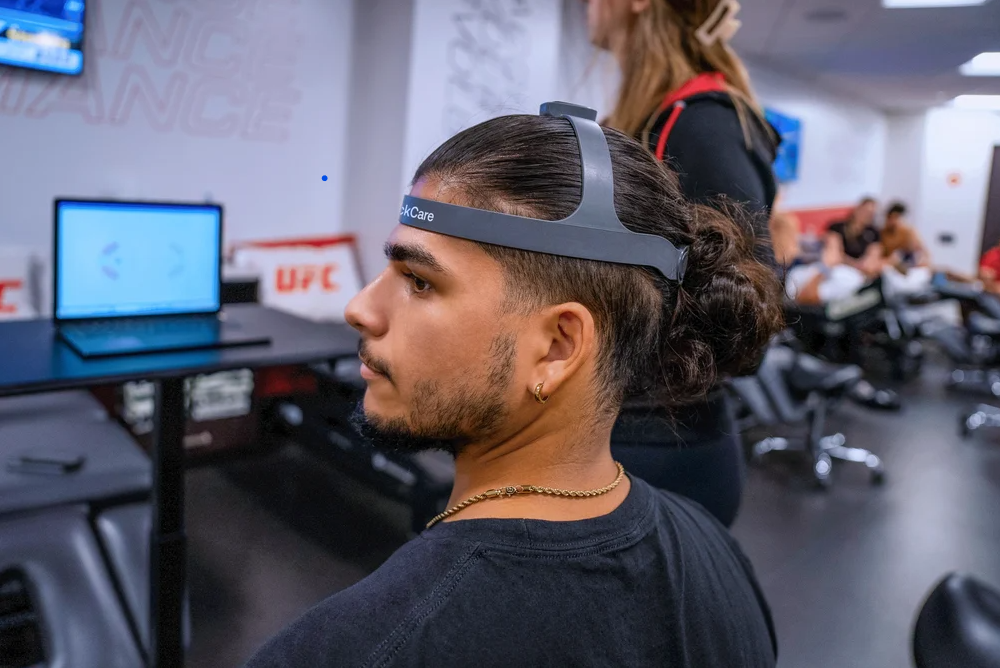
Objective cervical motion assessment to better understand neck movement
What to Expect When We Connect
Reaching out doesn’t commit you to care. It starts a conversation focused on understanding what’s going on and what support might make sense.
Here’s how it typically works:
We start with a conversation
We take time to understand what happened, what you’re noticing, and what you’re hoping to improve.We talk through options
If care is appropriate, we’ll explain what that could look like and answer your questions clearly and honestly.You decide what’s next
No pressure. No obligation. Just clarity on your next step.
You should leave the conversation with a better understanding of your situation and whether care here is the right fit.
Supporting Recovery Beyond the Accident
Auto injury care doesn’t end with feeling better in the short term. Recovery is about restoring confidence in how your body moves and ensuring progress holds up as you return to daily life, work, and activity.
Support beyond the initial phase may include:
Gradually restoring strength, control, and tolerance through guided movement
Addressing compensation patterns that can develop after injury
Progressing care as your body adapts, rather than stopping too early
Reinforcing gains so improvements carry into real-world movement
For some people, this progression continues into a structured Rehab & Performance phase focused on rebuilding strength, control, and long-term movement confidence.
The goal is not just recovery from the accident itself, but clarity and confidence moving forward without lingering uncertainty.
Your Questions, Answered
-
Yes — coming in as soon as possible is one of the most important things you can do after an auto accident. A very common pattern is feeling okay in the immediate aftermath, then developing neck pain, back pain, stiffness, or headaches days or even weeks later as inflammation builds and adrenaline fades. Getting evaluated right away means we can identify injuries early, begin treatment before scar tissue has a chance to form, and document everything from the start.
-
The forces involved in a collision — even a low-speed one — can strain muscles, sprain ligaments, and compress discs in ways that are not immediately painful. The inflammatory response and soft tissue swelling that cause symptoms often build gradually. Many patients do not feel the full impact of a whiplash injury until two to four weeks after the accident. This delay does not mean nothing happened.
-
The most common auto injuries we treat include whiplash, cervical and lumbar strain, disc injuries, headaches, shoulder pain, and mid-back pain. These often occur together due to the forces of a collision. We use a combination of chiropractic adjustments, soft tissue therapy, dry needling, and corrective exercise to address the full picture.
-
Peak Performance is a cash-based practice and does not bill insurance directly. We can provide detailed documentation of your injuries and treatment for use in an insurance or legal claim. We recommend consulting with a personal injury attorney if you have questions about recovering treatment costs through an at-fault driver's insurance.